
For principals, correspondents, teachers and parents.

Problems Faced by Students, and How Schools Can Help

Mr. Chakkaravarthy RK, the counsellor at Feathers.
Mr. Chakkaravarthy RK 10+ years Experience in Life Coach & Counselling Practitioner

International Specialized Couples Coach, Relationship Coach, Student Coach and Career Coach. Neurobics Expert, Memory Coach, Train the Trainer and NLP Master.

Student workshops

Most students are capable. Something is getting in the way.

Workshops in schools and colleges across Cuddalore district and online, in Tamil or English, on the problems below.

Plan a session +91 74024 67044

On your campus or online

  • 10+ years
  • 1,000+ one-to-one sessions
  • 400+ counselling types
  • Tamil & English

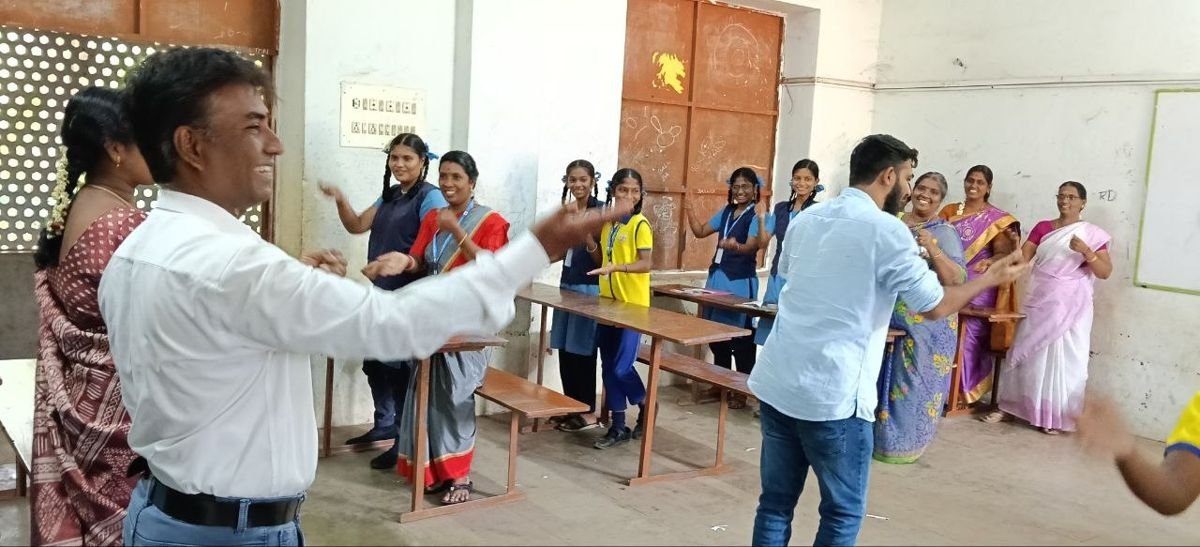
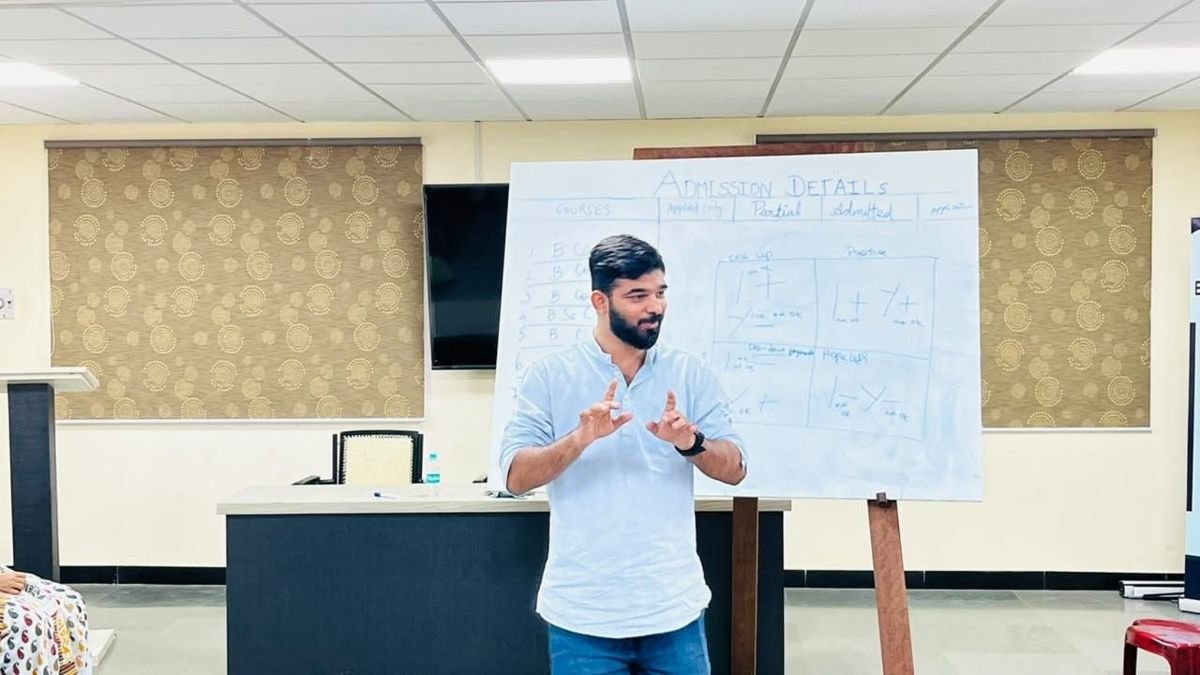
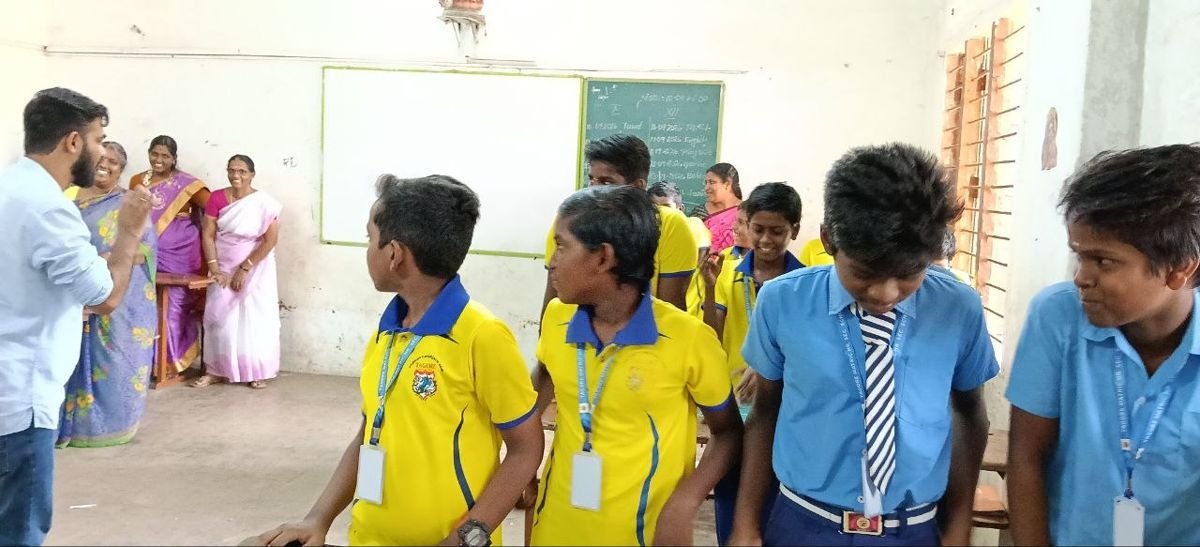
From recent sessions

Activity-based workshops in school classrooms, and a Faculty Development Programme for college teachers.

Why this matters

Ask any principal what has changed in the last few years and the answer is similar: phones, shorter attention, more pressure, and students who look fine until suddenly they are not. None of this is a reason to blame students. It is a reason to teach them the skills nobody taught them.

Below are the eight problems that come up most, what a school typically sees, and what a workshop works on. Every one of them can be talked about openly in a classroom, and that alone changes a lot.

Eight problems students face today

  • Phones and social media

    Late nights on reels and games, tired faces in the first period, and attention that breaks every few minutes.

    In the session: Understanding what the phone does to focus and sleep, and simple rules students set for themselves.

  • Exam stress

    Students who know the answers at home and freeze in the hall, and board classes where the whole room is tense.

    In the session: Preparing early, staying steady on the day, and what to do in the first five minutes of a paper.

  • Poor concentration

    Students who sit through the period and take nothing in, and homework that takes three times as long as it should.

    In the session: Focus routines and memory techniques from a Memory Coach, practised in the session.

  • No study method

    Last-minute cramming, the same mistakes in every test, and marks that do not match the effort.

    In the session: Planning, revision cycles and active recall, so effort turns into marks.

  • Pressure and comparison

    Students compared with toppers, siblings and cousins, and a fear of letting their parents down.

    In the session: Handling expectations, talking to parents, and measuring progress against yourself.

  • Bullying and ragging

    Name-calling, groups that exclude, online messages that follow students home.

    In the session: Recognising it, standing up safely, and knowing exactly who to tell in your school.

  • Low confidence

    Bright students who never raise a hand, and a few who have quietly decided they are not clever.

    In the session: Speaking up, presenting, and building confidence through small wins in the room.

  • Career confusion

    Group selection after 10th and course choice after 12th made on rumour, marks alone or a relative's advice.

    In the session: Knowing your strengths, understanding the options, and deciding with parents.

What a school can do

Practical steps, most of which cost nothing but a decision.

Name it in assembly
Talk openly about phones, exam stress and bullying, so students know it is allowed to say they are struggling.
One trusted adult
Make sure every class knows which teacher they can go to, and that it stays confidential.
Teach how to study
Study method is a skill. Teach it in Class 6, not in the month before the board exam.
Bring parents in
A parent session on the same topic means students hear one message at school and at home.
Support the teachers
Teachers who are trained and not exhausted notice problems earlier and handle them better.
Have a referral path
Know where to send a student who needs more than a workshop, before the day you need it.

And the teachers beside them

Student problems land on teachers first.

  • Workload and exhaustion

    Classes, corrections, records, events and parent calls, with little left by Friday.

    In the training: Planning the week, protecting energy, and saying no without guilt.

  • Classroom behaviour

    A few students who disrupt every period, and the shouting that wears everyone out.

    In the training: Calm, consistent classroom routines that prevent problems instead of reacting to them.

  • Distracted students

    Students whose attention has been trained by short videos, in a forty-minute period.

    In the training: Short, active segments and engagement methods that hold a modern class.

  • Difficult parent conversations

    Complaints about marks, comparisons with other schools, and meetings that turn into arguments.

    In the training: Structuring the conversation, staying calm, and agreeing a next step with the parent.

  • Spotting a struggling student

    The quiet student who stopped submitting work, or the change nobody noticed until it was serious.

    In the training: Early signs to notice, how to start the conversation, and when to refer onward.

  • Results pressure

    Pass percentages, board results and rankings landing on the class teacher.

    In the training: Working with pressure without passing it straight on to the students.

  • Communication in the staffroom

    Misunderstandings between staff, departments and management that slow everything down.

    In the training: Clearer conversations, better meetings, and disagreeing without damage.

  • Teachers' own stress

    Good teachers who are tired, irritable, sleeping badly or thinking of leaving.

    In the training: Practical stress management for a demanding job, so good teachers stay.

More on the problems faced by teachers

Three ways to work with your school

Use one, or combine them so students, teachers and parents hear the same message.

Student workshops

Classes 6 to 12, and college students

Ask about this

Interactive sessions for a class, a section or a whole year group. Activities, examples from their own lives, and something to try the same evening.

At a glance

  • 45 to 90 minutes per group, or an assembly session
  • Study skills, memory, exam stress, phones, confidence, careers
  • In Tamil, English or both, matched to the class

Teacher training

Teaching staff and heads of department

Ask about this

Staff development that is practical, not theoretical: classroom situations your teachers actually face, and methods they can use the next morning.

At a glance

  • Half-day or full-day, or a series across the term
  • Classroom behaviour, engagement, parents, wellbeing
  • Fits in-service days and staff meetings

Parent sessions

PTA meetings and parent groups

Ask about this

Sessions that bring parents onto the same side as the school: what pressure does, how to handle phones at home, and how to support exams without fights.

At a glance

  • 60 to 90 minutes, in Tamil or English
  • Phones, studies, teenagers, exam season
  • Works well alongside a student workshop on the same topic

Why schools choose this

Interactive, not a lecture
Students take part: activities, questions, short exercises. Nobody sits through an hour of slides.
Practical takeaways
Every session ends with something specific to do: a study routine, a phone rule, a classroom method.
In the language of the room
Tamil, English or a mix, so every student follows, not only the front bench.
A trainer who also counsels
Ten years of one-to-one counselling with students, parents and teachers means the examples are real ones.
Planned with you
Topics, timing and language are agreed with the principal first, around your timetable and exam calendar.
Safe and appropriate
Age-appropriate content, and a clear, confidential way to refer any student who needs more than a workshop.

How it works

  1. Tell us about your school

    Classes, numbers, and what you are seeing in students or staff.

  2. Agree the plan

    Topics, format, language and dates, around your timetable.

  3. The session on campus

    Interactive workshops in your hall or classrooms, or online.

  4. A short summary

    What was covered, and suggestions for follow-up if useful.

Plan a session for your school or college

Fill in what you know. It opens WhatsApp with a ready message; you press send. Nothing is saved on this website.

  • A reply with suggested topics and format
  • Fees discussed with you over a call or email
  • Dates fitted around your timetable and exams
Topics (choose any)

Prefer to talk? Call +91 74024 67044.

Mr. Chakkaravarthy RK seated in an armchair in his counselling room, with bookshelves and a lamp behind him.

Who you would be talking to

Mr. Chakkaravarthy RK

Child Coach, Memory Coach, Neurobics Expert, NLP Master

Life Coach & Counselling Practitioner

Mr. Chakkaravarthy RK has 10+ years of experience and expertise in 400+ types of counselling. He has given 1,000+ one-to-one and online counselling sessions, along with training for schools, colleges and corporates.

Read the full profile

Questions principals ask

What are the most common problems students face today?

Phones and social media, exam stress, poor concentration, no study method, pressure and comparison, bullying, low confidence and career confusion. Most students face more than one at the same time.

Can one workshop really make a difference?

One session can give students a method and a language for the problem. A short series, with teachers and parents involved, makes a bigger and longer-lasting difference.

How much does it cost?

Fees depend on the format, the length, the number of groups and the location. They are discussed with you over a call or by email, before anything is fixed.

How long is a session, and does it disturb the timetable?

Student workshops run 45 to 90 minutes and can fit into one or two periods, an assembly slot or a special day. They are planned around your timetable and exams.

Which classes is it suitable for?

Classes 6 to 12 and college students. Content and language are adjusted for each age group; younger classes get more activity and less talk.

Do you run sessions in Tamil?

Yes. Sessions run in Tamil, English or a mix, chosen for the group.

What do you need from the school?

A hall or classroom and a time slot. A projector and microphone help for large groups but are not essential.

What if a student needs individual help after the workshop?

The trainer tells the school's designated teacher, in confidence, and the student and parents can choose individual counselling. Anything about a student's safety is passed on immediately.

Can you train our teachers and talk to parents as well?

Yes. Many schools combine a student workshop with a teacher session and a parent meeting on the same topic, so everyone hears the same message.

Bring this to your school

One message with your school's name and what you are seeing. That is enough to start.