
Relationships
Am I in a toxic relationship?
For anyone who feels tired, anxious or small in their relationship, and wonders whether this is normal.

By Mr. Chakkaravarthy RK
10+ years Experience in Life Coach & Counselling PractitionerDr. APJ Abdul Kalam National Excellence Award & Best Life Coach of India
Internationally Recognized Couples Coach, Relationship Coach, Student Coach and Career Coach. Neurobics Expert, Memory Coach, Train the Trainer and NLP Master.
Updated 3 November 2026 · about 6 minutes to read
As featured in




Training for schools & colleges
Interactive workshops for students, teachers and parents, on campus or online, in Tamil or English.
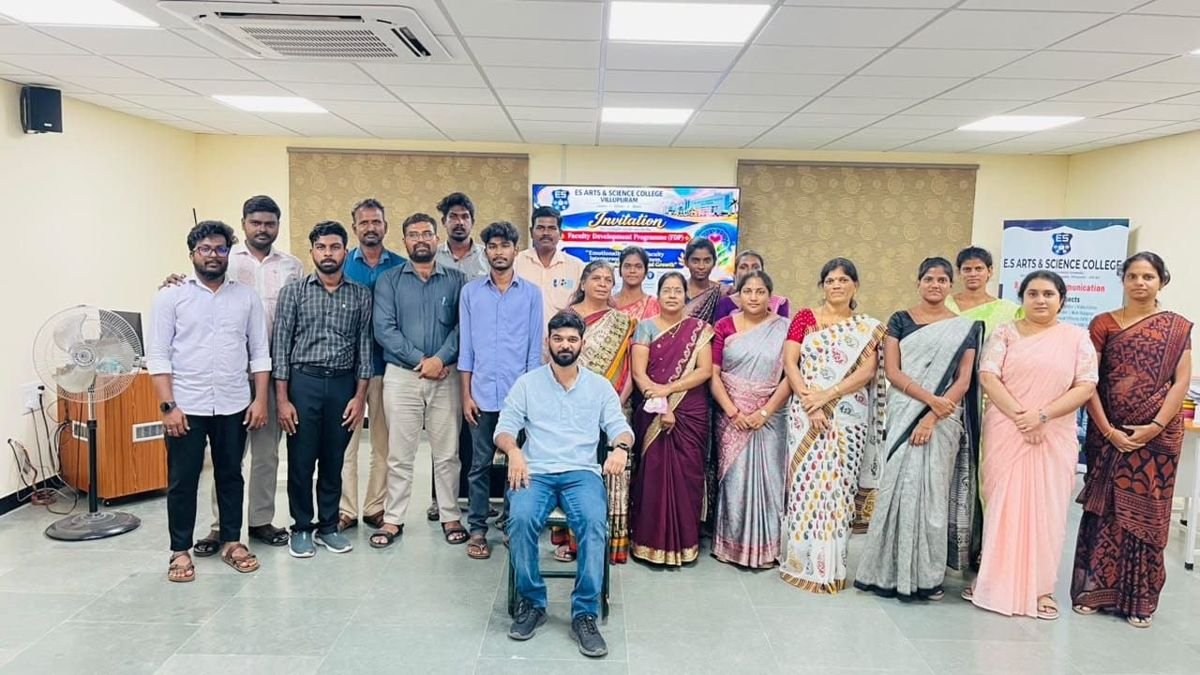
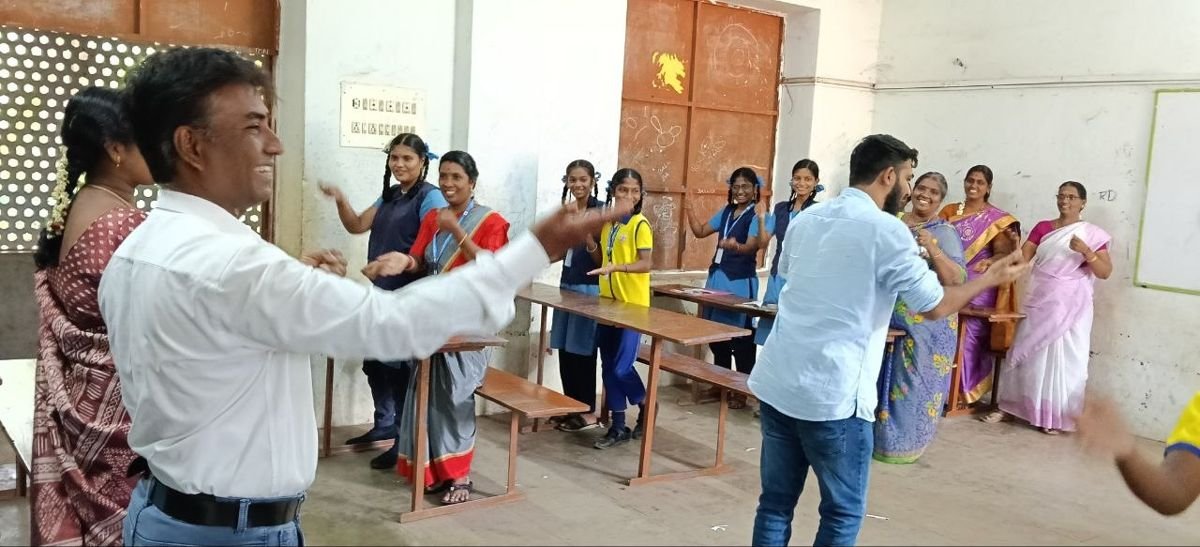
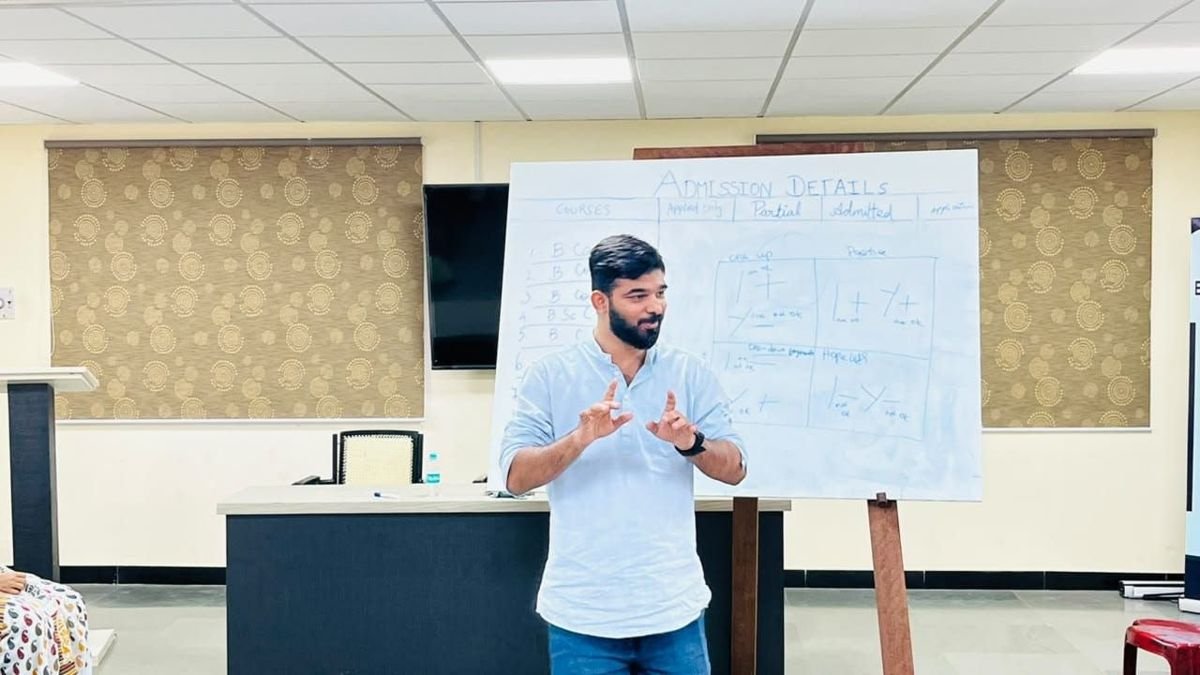
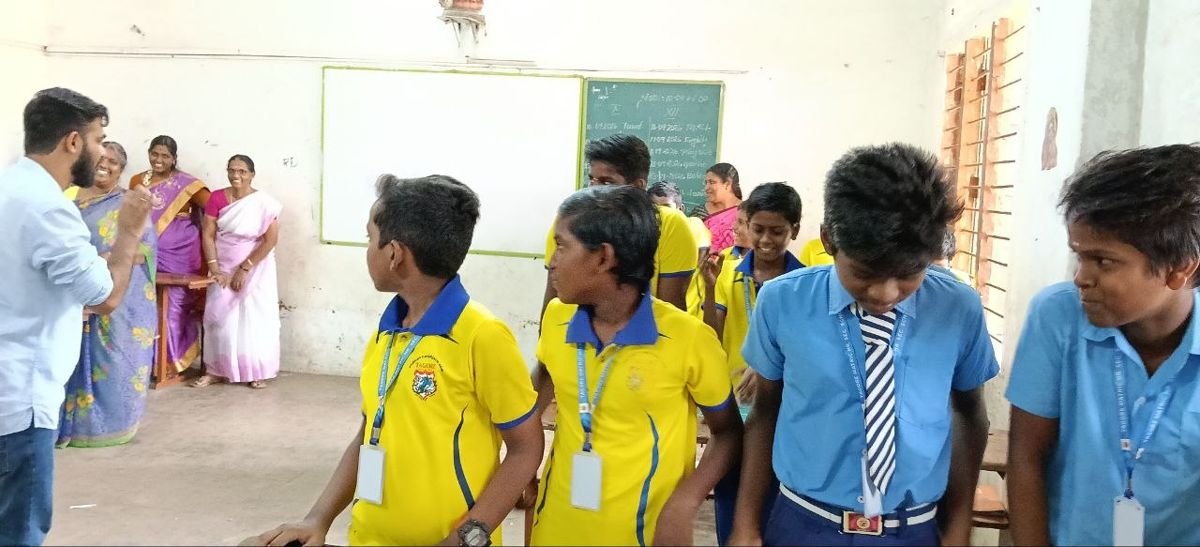
Every couple fights. But some people walk on eggshells all the time, apologise for things they did not do, and slowly lose friends and confidence.
This guide helps you tell an ordinary rough patch from a relationship that is harming you, before or after marriage.
How do you know if you are in a toxic relationship?
If you are often afraid of their reaction, they control your phone, money or friends, and you are blamed or mocked.
An unhealthy relationship is less about one big event and more about a daily pattern. You feel watched, judged or afraid of their mood.
Common signs include checking your phone, deciding who you can meet, mocking you in front of others, and making you feel guilty for having your own needs.
Common signs
- You are afraid of how they will react.
- They control your phone, money, clothes or friends.
- You are often blamed, criticised or mocked.
What does a healthy relationship look like?
Fights end, both of you can say no and keep friends, and apologies lead to real change.
In a healthy relationship there are still fights, but they end. Both people can say no, keep friends, and disagree without fear.
You feel more yourself, not less. Mistakes are apologised for, and things actually change.
Signs of a healthy relationship
- You can disagree without being punished.
- You keep your own friends and interests.
- Apologies lead to real change.
Why is it hard to leave a toxic relationship?
Good days and apologies keep hope alive, and constant criticism can make you believe you are the problem.
From inside, it is hard to see. The bad times come with good days, gifts and sorry, so hope keeps coming back.
Over time, criticism can make you believe you are the problem. Many people only see it clearly when a friend says, "This is not normal."
Why people stay
- Hope that the good person on good days will stay.
- Fear of being alone, or of what family will say.
- Believing it is your fault.
What should I do if I am in a toxic relationship?
Tell one trusted person, keep your phone, money and documents safe, and plan any leaving with support.
Start by talking to one person you trust and telling them what really happens. Keep your own phone, some money and important documents safe.
If you decide to leave, plan it with support, especially if they have threatened you. You do not have to decide everything at once.
Safe first steps
- Tell one trusted person the truth.
- Keep your phone, money and documents within reach.
- If you are in danger, call 112 or 181.
To talk to Chakkaravarthy RK, call 074024 67044. In an emergency only: 181 · 112 · 14416.
Where Feathers fits
Feathers offers relationship counselling for one person alone or couples, in Tamil or English, online from anywhere or in person in Neyveli.
This guide is published by Feathers Life Coach, a single-practitioner practice in Neyveli, Tamil Nadu, with sessions online for people anywhere in the world.
Questions people ask first
Can a toxic relationship become healthy?
Only if the person causing harm takes responsibility and truly changes. Your safety comes first.
Is it toxic if we fight a lot?
Not always. It becomes unhealthy when fights bring fear, insults or control.
Why do I keep going back?
Good days, hope and fear of being alone pull people back. Support makes leaving easier.
Can I talk to a counsellor without my partner knowing?
Yes. Sessions are private, online or in person.
Talk it through with someone
One private conversation can make the next week lighter. Sessions are online by video or voice call from anywhere in the world, or in person in Neyveli, in English or Tamil. Nobody else needs to know.