
11 free games No sign-up Works on phones For all ages
Free Games for Focus, Memory & Feelings
Eleven short games, made by a Memory Coach and counsellor: focus, memory, emotional intelligence, calm, and one for couples. Play alone, as a family or with a class. Nothing to sign up for, and your best scores stay on your own phone.
All games
Focus
Memory
- 3Memory MatchFind the eight pairs5+
- 4Simon SequenceRepeat the growing pattern5+
- 5Number MemoryRemember longer numbers8+
Feelings
- 6Emotion Spin WheelSpin, then act it out liveAll ages
- 7Emotion FacesWhich feeling is this face?4+
- 8Feelings DetectiveRead the feeling, choose the response6+
Calm
Couples
Focus
Train attention and concentration.
Game 1 · concentration
Schulte Table
Numbers 1 to 25 are scattered across a grid. Tap them in order, 1, 2, 3… as fast as you can. Used for decades in speed-reading and attention training.
- Keep your eyes near the centre and use your side vision.
- Tap the next number. A wrong tap just shakes; keep going.
- Younger children can start with the 4×4 grid.
Under 25 seconds on 5×5 is excellent. Play once a day before studying to warm up your focus. About concentration training
Game 2 · focus and self-control
Colour–Word Focus
A colour word appears in coloured ink. Tap the colour of the ink, not the word. It is harder than it sounds: your brain wants to read.
- Twenty rounds. Answer as fast as you can.
- If RED is written in blue, tap Blue.
- Your score counts right answers first, then speed.
This is the classic Stroop exercise for concentration: ignoring a distraction to stay on the task. Focus under exam pressure
Memory
Short-term, sequence and working memory.
Game 3 · visual memory
Memory Match
Sixteen cards, eight pairs. Turn two at a time and find every pair in as few moves as you can.
- Tap a card to turn it over, then tap a second card.
- If they match, they stay open. If not, they turn back.
- Remember where each picture was. Fewer moves is better.
Trains short-term visual memory and attention. Under 14 moves is excellent. About memory training
Game 4 · sequence memory
Simon Sequence
The coloured pads light up in a pattern. Repeat it. Each round the pattern gets one step longer. How far can you go?
- Watch, and say the colours in your head: red, blue, blue…
- Tap the pads in the same order.
- One wrong tap ends the game. Sound on makes it easier.
Trains sequence memory, the kind used for spellings, steps and formulas. Most people reach 6 to 9. Study help for students
Game 5 · working memory
Number Memory
A number appears for a few seconds. Type it back from memory. Each time you get it right, the next number is one digit longer.
- Watch the number while the bar runs down.
- When it disappears, type it in and press Check.
- Tip: read it in chunks, like a phone number (342 · 718).
Most adults hold about 7 digits. Memory techniques can take that much higher. Study help for students
Feelings
Read, name and talk about emotions.
Game 6 · feelings, played live
Emotion Spin Wheel
Spin the wheel. It stops on a feeling, with a challenge to do right there: act it out, share a time you felt it, or say what helps. Best played together, as a family, a class or a group of friends.
- Take turns to spin.
- Do the challenge out loud. Others can guess or ask a question.
- Tap “Another challenge” for a different one on the same feeling.
Naming and showing feelings is the first step of emotional intelligence, for children and adults alike. Child counselling
Game 7 · reading faces
Emotion Faces
A face appears. Which feeling is it showing? Ten faces, from happy and sad to embarrassed and disappointed. Made for younger children, fun at any age.
- Look at the eyes, the eyebrows and the mouth.
- Choose the feeling. Each answer tells you what gave it away.
- Then try making the face yourself in a mirror!
Children who can read faces find friendships easier. Support for parents
Game 8 · emotional intelligence
Feelings Detective
Eight everyday situations for kids, teens or adults. First read the feeling, then choose the most helpful response. Every answer is explained.
Calm
Slow down the body, sort out the mind.
Game 9 · calm breathing
One minute of calm breathing
When the mind is racing, slow breathing tells the body it is safe. Follow the circle: breathe in as it grows, hold, and breathe out slowly as it shrinks. Six rounds, about a minute and a half.
- In through the nose for 4
- Hold gently for 4
- Out through the mouth for 6
A calming exercise, not medical care. If you often feel breathless or your chest feels tight, see a doctor.
Press start when you are ready
Game 10 · calm the worries
Worry Box
Write down what is on your mind, one worry at a time. Then sort each one: is it something you can act on, or is it out of your hands? Act on the first kind. Put the second kind in the box.
- Type a worry and press Add. Add as many as you like.
- For each: “I can act” (write one small step) or “out of my hands”.
- Put the ones you cannot control in the box, and let them go for today.
Private: nothing you type is saved or sent anywhere. It disappears when you close the page. Worry & overthinking counselling
Your worries will appear here.
Well done. You have sorted every worry. For the ones you can act on, do the first small step today. For the rest, come back to the breathing circle whenever they creep back in.
Couples
For two people who want to know each other better.
Game 11 · couples
How Well Do You Know Your Partner?
Pass one phone between you. One answers ten questions about themselves, the other guesses. Then swap. Funny, revealing, and a lovely way to start a real conversation.
Want to build these skills properly?
Games are good practice. Real change comes from technique and a plan. One-to-one sessions in Tamil or English, in Neyveli or online.
- Concentration & memory training Memory techniques, focus and study skills from a Memory Coach. Read more
- Student counselling Exams, concentration, phones and pressure from home. Read more
- Exam stress counselling Fear, blanking out and sleep before board and entrance exams. Read more
- Brain training for schools Interactive memory and focus workshops for a whole class. Read more
- Left or right brain test Twenty statements and five pictures: your thinking style. Read more
- Free self check-ins Short check-ins on study habits, careers, parenting and more. Read more
These games are for practice and fun. They are not a test of intelligence or a diagnosis of any kind, and a low score on one day means nothing on its own.
As featured in




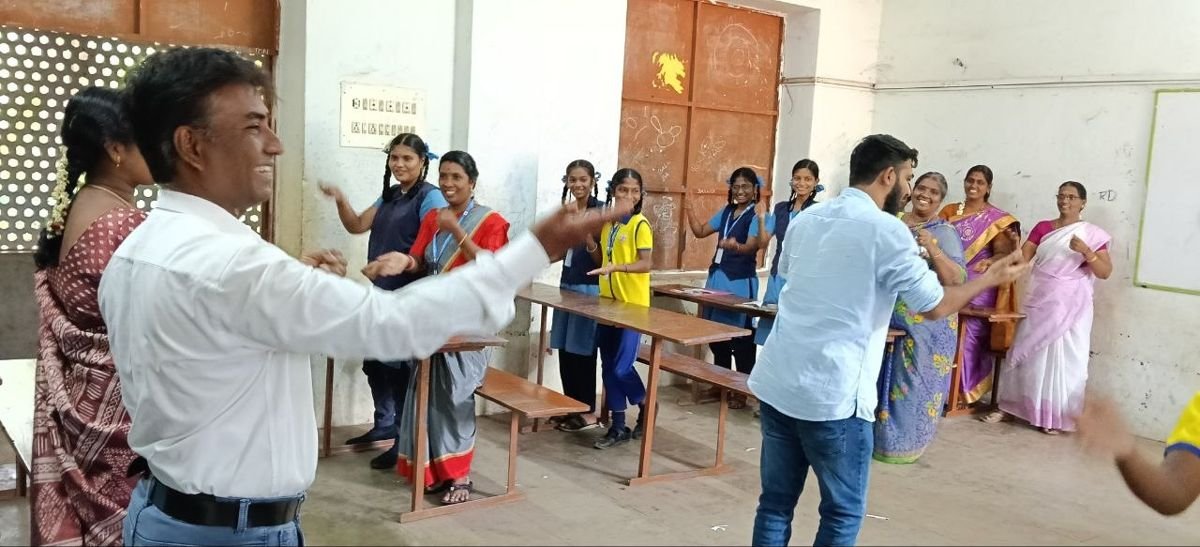
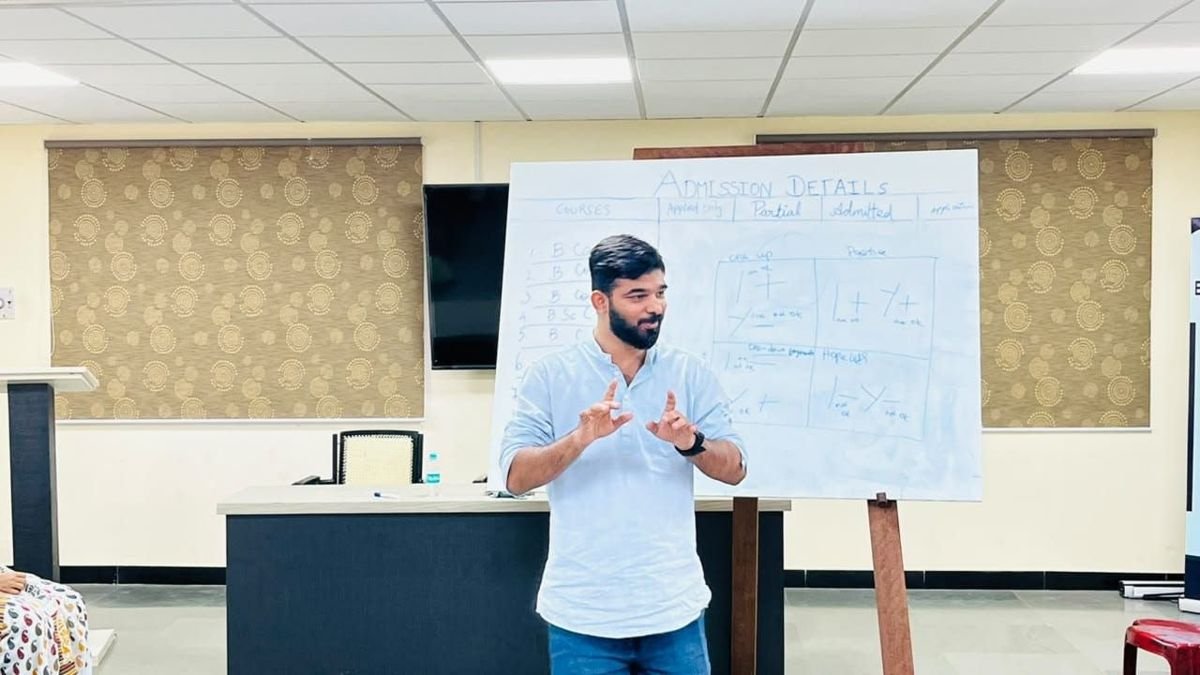
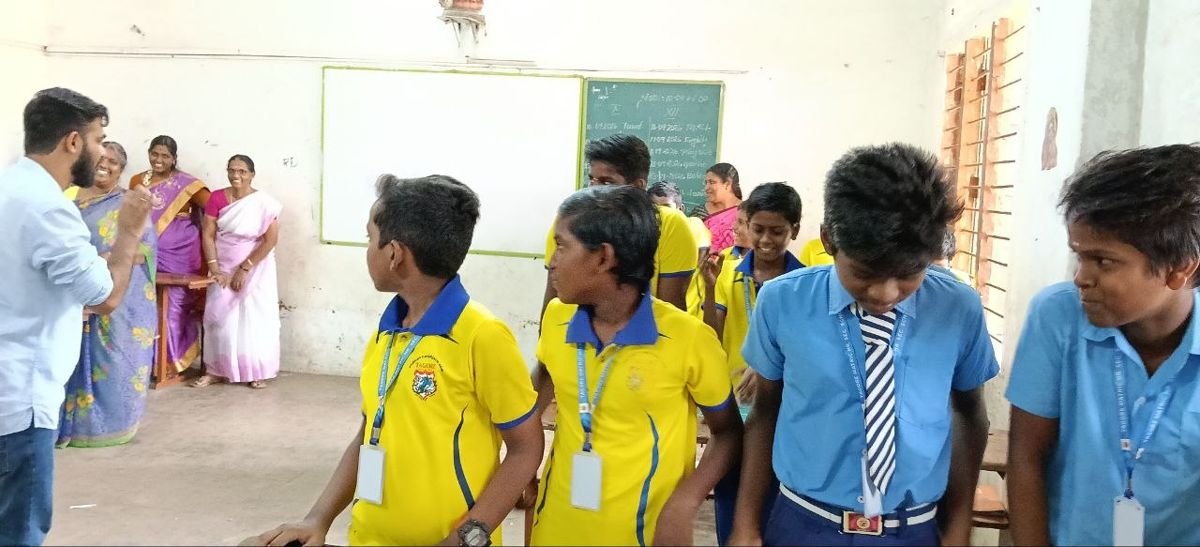
Training for schools & colleges
Interactive workshops for students, teachers and parents, on campus or online, in Tamil or English.

Questions about the games
Are the games really free?
Yes. No sign-up, no payment and no download. They work in any phone or computer browser.
Do you save my scores or my details?
No details are asked for. Your best scores are kept only in your own browser, so you can try to beat them, and nobody else can see them.
Can brain games improve memory?
Practice helps, especially with attention and working memory. Bigger gains come from techniques such as chunking, visualisation and spaced revision, which memory training teaches step by step.
What is a good score?
In the Schulte Table, under 25 seconds on 5 by 5 is excellent. In Memory Match, under 14 moves. In Number Memory, most adults hold about 7 digits; in Simon, 6 to 9 steps. Beat your own best rather than anyone else's.
How do we play the Emotion Spin Wheel as a family?
Take turns to spin. Whoever spins does the challenge out loud: act out the feeling, share a time they felt it, or say what helps. Others guess or ask a question. It works well in a classroom too.
Can schools use these games with students?
Yes, they work well on a classroom screen. For a full session on memory, focus and study skills, Feathers runs workshops for schools and colleges.

Who you would be talking to
Mr. Chakkaravarthy RK
Dr. APJ Abdul Kalam National Excellence Award & Best Life Coach of India
Child Coach, Memory Coach, Neurobics Expert, NLP Master
Life Coach & Counselling Practitioner
Mr. Chakkaravarthy RK has 10+ years of experience and expertise in 400+ types of counselling. He has given 1,000+ one-to-one and online counselling sessions, along with training for schools, colleges and corporates.
Read the full profile