
Anger at home
When your spouse's anger affects the whole family
For the husband or wife living with frequent shouting, and for the partner who wants to stop losing their temper.

By Mr. Chakkaravarthy RK
10+ years Experience in Life Coach & Counselling PractitionerDr. APJ Abdul Kalam National Excellence Award & Best Life Coach of India
Internationally Recognized Couples Coach, Relationship Coach, Student Coach and Career Coach. Neurobics Expert, Memory Coach, Train the Trainer and NLP Master.
Updated 19 October 2026 · about 6 minutes to read
As featured in




Training for schools & colleges
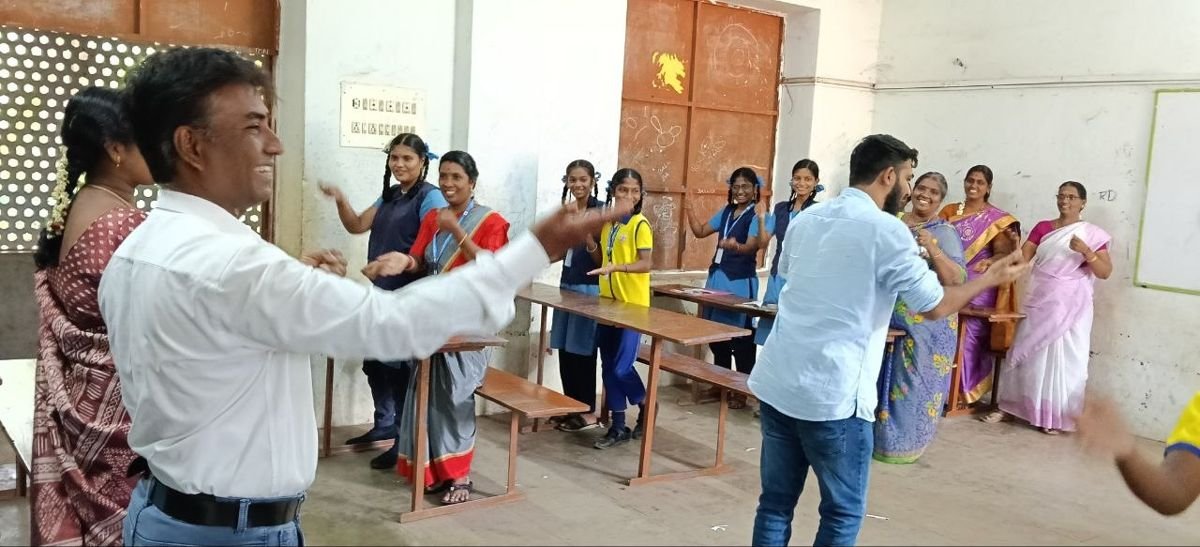
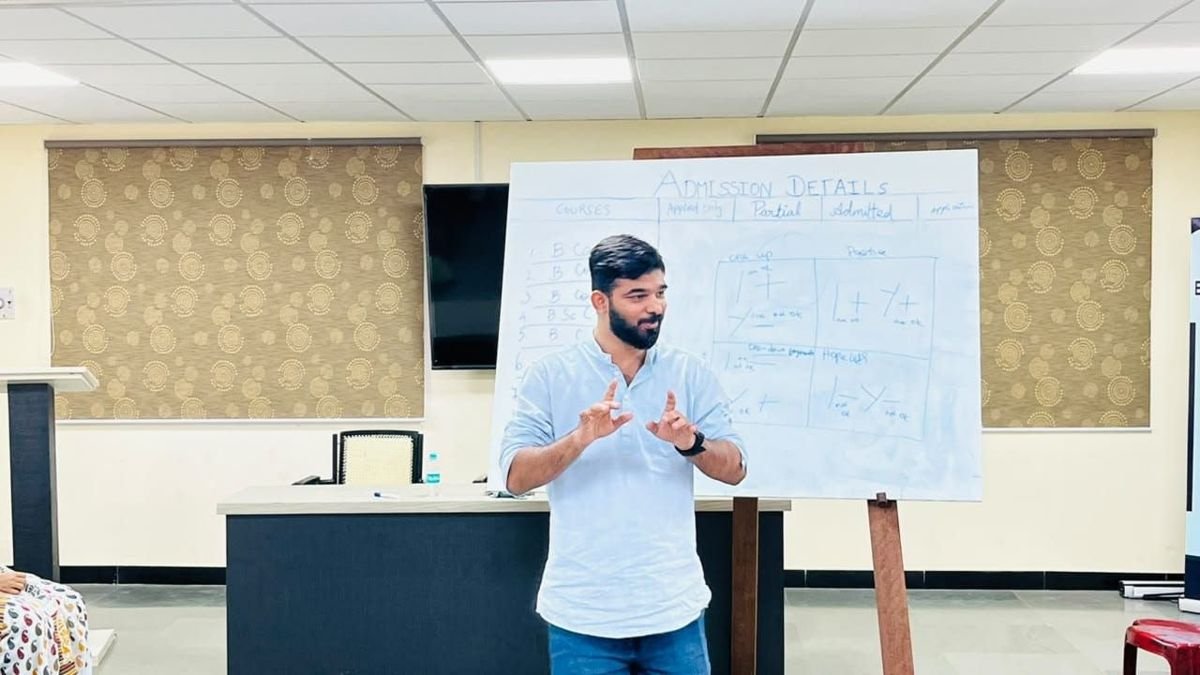
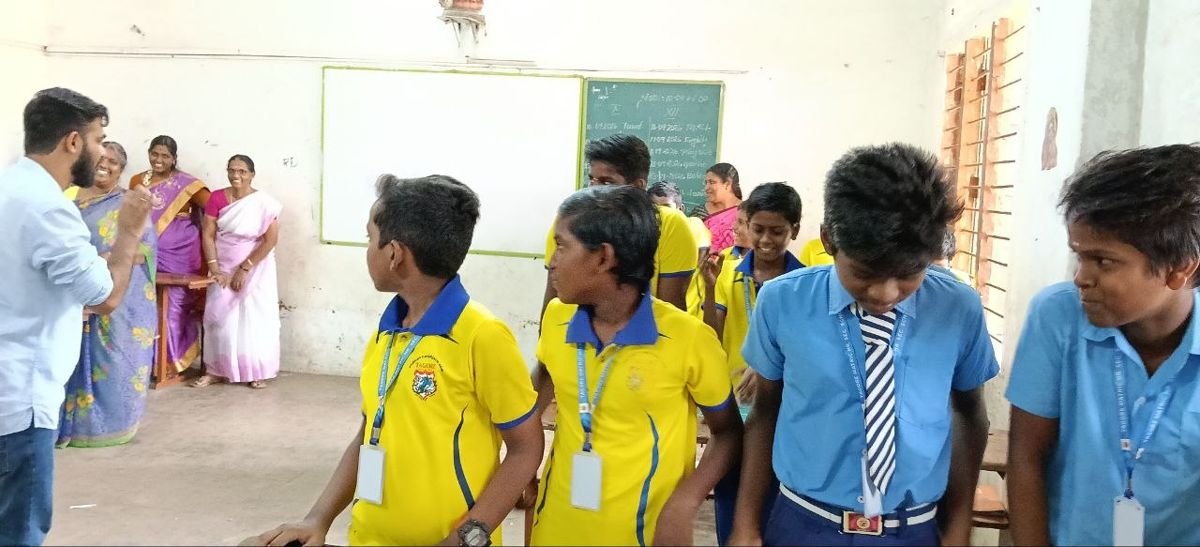
Interactive workshops for students, teachers and parents, on campus or online, in Tamil or English.

In some homes everyone watches one person's mood. A small thing sets off shouting, and the family learns to stay quiet and careful.
This guide is for both sides: the partner living with it, and the partner who knows their anger is hurting the people they love.
Why is my husband or wife always angry?
Anger often carries work stress, money pressure, tiredness or patterns learned at home. That explains it but does not excuse harm.
Anger often carries something else: stress from work, money pressure, feeling disrespected, or patterns learned growing up in a loud home.
None of that excuses harm. But understanding the trigger is the first step to changing what happens next.
Common fuel
- Work pressure brought home.
- Money worries and feeling responsible for everyone.
- Tiredness, alcohol or poor sleep.
How does a parent's anger affect the family?
Children become anxious or withdrawn, and the calm partner becomes a shock absorber, which slowly wears down the marriage.
Children who grow up with frequent shouting become anxious, withdrawn or angry themselves, even if they are never hit.
The calm partner often becomes the shock absorber, managing everyone's fear. That is exhausting and slowly erodes the marriage.
Signs it is affecting the family
- Children go quiet or leave the room when the parent comes home.
- Everyone avoids certain topics to prevent an outburst.
- The calm partner feels tense most evenings.
How can I control my anger with my spouse?
Notice the early body signs, step away before your voice rises, take twenty minutes, and return to the topic calmly.
If you are the one who gets angry, notice the early signs in your body: heat, a tight jaw, a racing heart. That is the moment to step away, not the moment to make a point.
Agree a pause signal with your partner, take twenty minutes, and come back to the topic calmly. Apologise specifically when you have hurt someone.
What helps the angry partner
- Leave the room before the voice rises.
- Sleep, exercise and less alcohol.
- Learn what sets you off, with help if needed.
When is anger in marriage abuse?
When it includes threats, breaking things, blocking a door or hitting. Then safety comes first, before joint counselling.
Anger that includes breaking things, threats, blocking a door, or hitting is not a communication problem. It is abuse, and the priority is safety.
In that situation joint counselling is not the first step. Individual support and a safety plan come first.
It is unsafe when
- Objects are thrown or broken near people.
- There are threats, or you feel afraid to speak.
- Anyone in the home is pushed, slapped or hit.
To talk to Chakkaravarthy RK, call 074024 67044. In an emergency only: 181 · 112 · 14416.
Where Feathers fits
Feathers offers anger management counselling for the person who wants to change, and counselling for partners, in Tamil or English, in Neyveli or online.
This guide is published by Feathers Life Coach, a single-practitioner practice in Neyveli, Cuddalore district.
Questions people ask first
How do I deal with an angry husband or wife?
Stay calm, avoid arguing at the peak, and raise the pattern later at a quiet time. If you feel unsafe, get help first.
Can anger management counselling help?
Yes, for someone who wants to change: it teaches early signs, pausing and repair.
Does shouting affect children?
Yes. Frequent shouting at home affects children's sense of safety even when it is not aimed at them.
When should I leave because of anger?
If there is violence or threats, safety comes first. Call 181 or 112 for advice and help.
If this is your house
One conversation is enough to find out whether it helps. Sessions run in Tamil or English, in person in Neyveli or online from anywhere.